

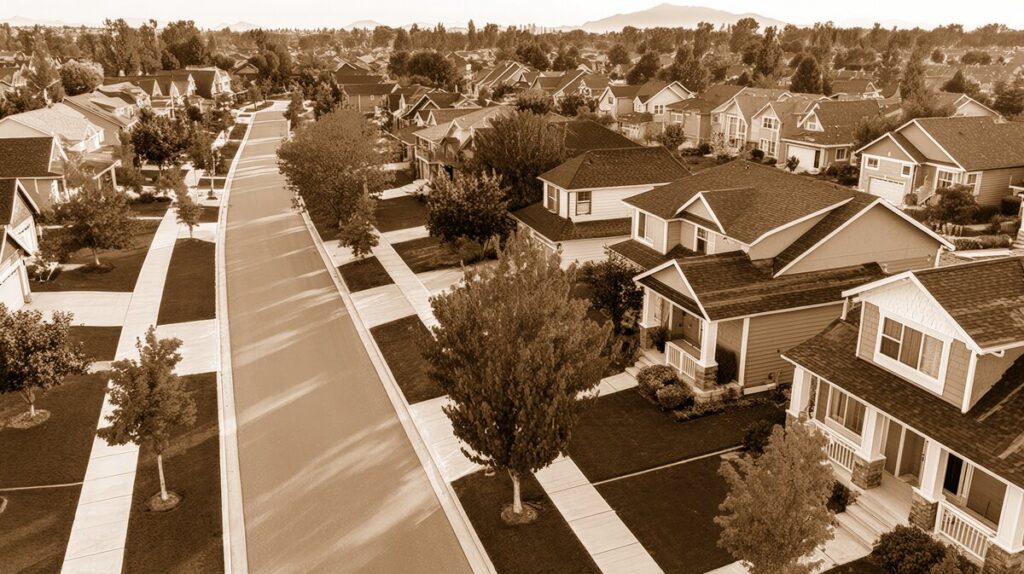
Nestled along the gentle crest of the city, West Burlington is a neighborhood that pulses with the echoes of both its storied past and its vibrant present. Walking its tree-lined avenues—like the historic West Davis Street or the lively thoroughfare of South Church—you can’t help but feel the legacy of generations who have called this place home. As a longtime resident, I’ve had the privilege of watching West Burlington grow while maintaining its sense of community spirit and pride in its heritage.
The Origins of West Burlington
West Burlington’s roots extend back to the late 19th and early 20th centuries, a time when Burlington itself was emerging as a vital hub for the textile and railroad industries. Although the larger city of Burlington was officially incorporated in 1893 under the name "Company Shops," the western portion evolved somewhat independently, shaped by its proximity to the railroads and later by the textile mills that sprang up along Webb Avenue and Maple Avenue.
The neighborhood's name—West Burlington—is a matter of both geography and civic pride. As Burlington began expanding rapidly post-World War II, the city’s original core centered around Downtown and East Burlington. Residents living beyond the tracks, toward what was once open countryside and farmland, began referring to their area as “West Burlington”—a designation that set them apart from the city’s commercial heart and reflected the neighborhood's more residential and suburban character.
Key Historical Milestones
- Early 1900s — Foundation and Industry: As textile mills such as May Hosiery and Webb Textile Company grew in prominence, workers and their families settled west of downtown. The area saw the development of small, sturdy homes, many of which can still be found on streets like Maple Avenue and Granville Street.
- 1920s-1940s — Community Expansion: With the population boom, West Burlington’s network of churches, schools, and small businesses flourished. Institutions like the historic Blessed Sacrament Catholic Church on West Davis Street provided spiritual and social anchors for families.
- Post-War 1950s-1960s — Suburbanization: The years following World War II marked a wave of suburban growth for West Burlington. Classic post-war ranches and brick homes sprang up along Pine Street and Edgewood Avenue, giving the neighborhood its distinctive mid-century character.
- 1967 — The Birth of Alamance Crossing: The development of major shopping centers, most notably what is known today as Alamance Crossing, brought both retail and employment opportunities closer to home, transforming portions of West Burlington into thriving commercial districts.
Notable Landmarks and Buildings
The streets of West Burlington wear their history proudly, boasting several architectural gems and beloved community fixtures.
- Blessed Sacrament Catholic Church: Known for its beautiful brick sanctuary and longstanding commitment to social outreach, this church is a landmark of both faith and fine architecture.
- Williams High School: Opened in 1951 on South Church Street, Williams High brings together generations of Burlingtonians—its classic campus, crowned by the bell tower, is a familiar sight.
- City Park: While technically spanning the edges of West Burlington, City Park is a beloved green space where families have gathered for decades. Its carousel, dating to 1910, is a local treasure.
- Webb Avenue Textile Mills: Though many original mill buildings have been repurposed or lost over the years, a few historic facades remain as silent reminders of the neighborhood’s industrial roots.
Evolution Through the Decades
West Burlington has seen its landscape shift as industries rise and fall and as the needs of its residents evolve. The closure of many textile mills in the late 20th century brought about change, but it also paved the way for revitalization. Former mill sites have been reborn as loft apartments and creative workspaces, drawing in a new generation of residents and entrepreneurs.
Residential streets, once filled almost exclusively with single-family homes, now see a blend of old and new. Historic bungalows, ranches, and cottages mingle with tasteful infill development. Neighborhood parks—like Willowbrook Park on Tarleton Avenue—offer peaceful retreats and a sense of rejuvenation amidst urban bustle.
A stroll down West Davis Street these days tells much of the neighborhood’s story in microcosm: historic homes lovingly maintained, small shops serving the community, and new faces adding fresh chapters to a rich narrative.
Institutions That Bind the Community
West Burlington’s enduring sense of identity is in large part due to its schools, houses of worship, and civic organizations.
- Public Schools: Besides Williams High, institutions like Hillcrest Elementary and Turrentine Middle School have played critical roles in fostering a sense of community pride and achievement.
- Religious Congregations: In addition to Blessed Sacrament, the area is home to long-established congregations like West Burlington Church of God and St. Paul’s United Methodist.
- Neighborhood Associations: Active civic groups keep the spirit of neighborly cooperation alive—organizing festivals, clean-ups, and community improvement projects throughout the year.
What Makes West Burlington Special?
Ask anyone who’s lived here awhile, and they’ll point to the warm sense of continuity that runs through West Burlington. Families whose roots go back generations live alongside newcomers, united by a love for front-porch conversations and enduring traditions. Annual events at City Park, Friday-night lights at Williams High, and quiet Sunday mornings along Birch Lane all reflect a deep, shared connection to place.
It’s this blend of historical awareness and neighborly warmth that continues to define the character of West Burlington, making it not just a neighborhood, but a beloved part of Burlington’s greater story. Whether you grew up here, or you’re just discovering its charms, West Burlington welcomes you into the ongoing narrative—one marked by resilience, pride, and a heartfelt commitment to community.